
Image 1- featured image
Introduction: Why Trust Is Harder (and More Valuable) in the UAE
Talking about the UAE market, people are ready to spend, but they are not quick to trust.
You’re dealing with a mix of nationalities, cultures, income levels, and expectations packed into a small geography. Add strict advertising rules, a high bar for professionalism, and consumers who have seen every sales trick in the book, and trust becomes the real currency.
In the UAE, branding isn’t about looking premium. It’s about looking credible. If your business feels unclear, inconsistent, or slightly off, customers don’t argue. They just move on.
Here we just break down how trust is actually built here, step by step, in ways that influence real buying decisions. No theory. No fluff.
What “Brand Trust” Actually Means in the UAE Context
In many markets, trust grows slowly. In the UAE, it often feels like binary. You’re either considered legitimate, or you’re ignored.
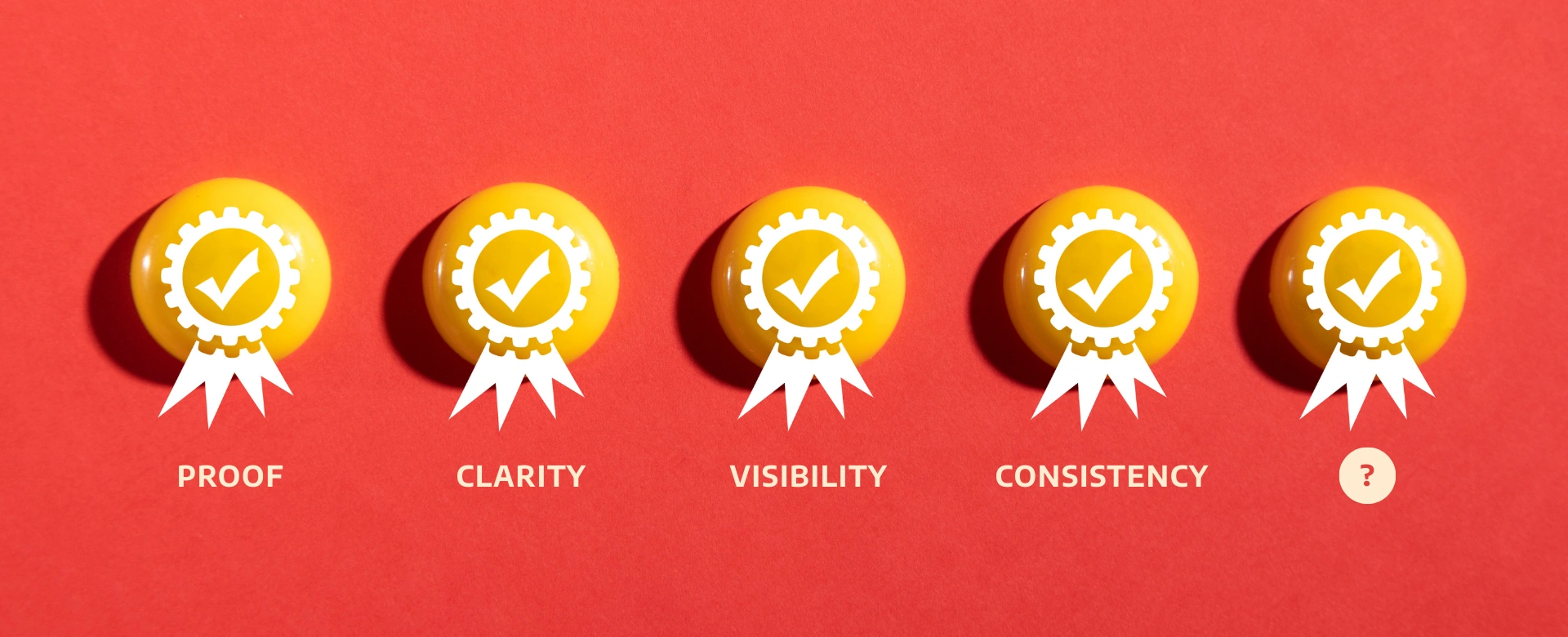
Trust here usually comes down to four things:
- Proof you’re licensed and real
Customers check trade licenses, locations, and online footprints more than you think. - Clarity in what you offer
If your messaging feels vague or overpromising, it raises suspicion fast. - Visibility across the right channels
Being present in the right places matters more than being everywhere. - Consistency
Your website, ads, social media, WhatsApp replies, and invoices should all tell the same story.
Miss one of these, and even strong marketing won’t convert.
Step 1: Get the Basics Right Before You Market Anything
Before ads, before social media, before hiring a digital marketing agency, get this right.
Trade license clarity
Your business name, activity, and location should match what you’re promoting. If your ads say one thing and your license says another, that’s a red flag for both customers and regulators.
Contact information that feels real
A working phone number, physical address, and professional email matter. In the UAE, brands without these often get lumped into the “temporary business” bucket.
Clear, honest messaging
Avoid exaggerated claims. Words like “guaranteed,” “number one,” or “best in the UAE” can trigger ad disapprovals and customer doubt.
Step 2: Define a Brand Position That Makes Sense Locally
One of the most common mistakes UAE businesses make is copy-paste branding.
What works in London or Mumbai doesn’t automatically work in Dubai or Abu Dhabi.
Ask yourself:
- Who exactly am I for in this market?
- What problem do I solve better than local competitors?
- Why should someone trust me instead of the five similar options nearby?
Your brand position should respect cultural sensitivity, language tone, and local expectations. Overly aggressive sales language often backfires here. Calm confidence works better.
This is where a branding agency can add value, not by making things pretty, but by helping you sound believable to a UAE audience.
Step 3: Build Consistency Across Digital Touchpoints
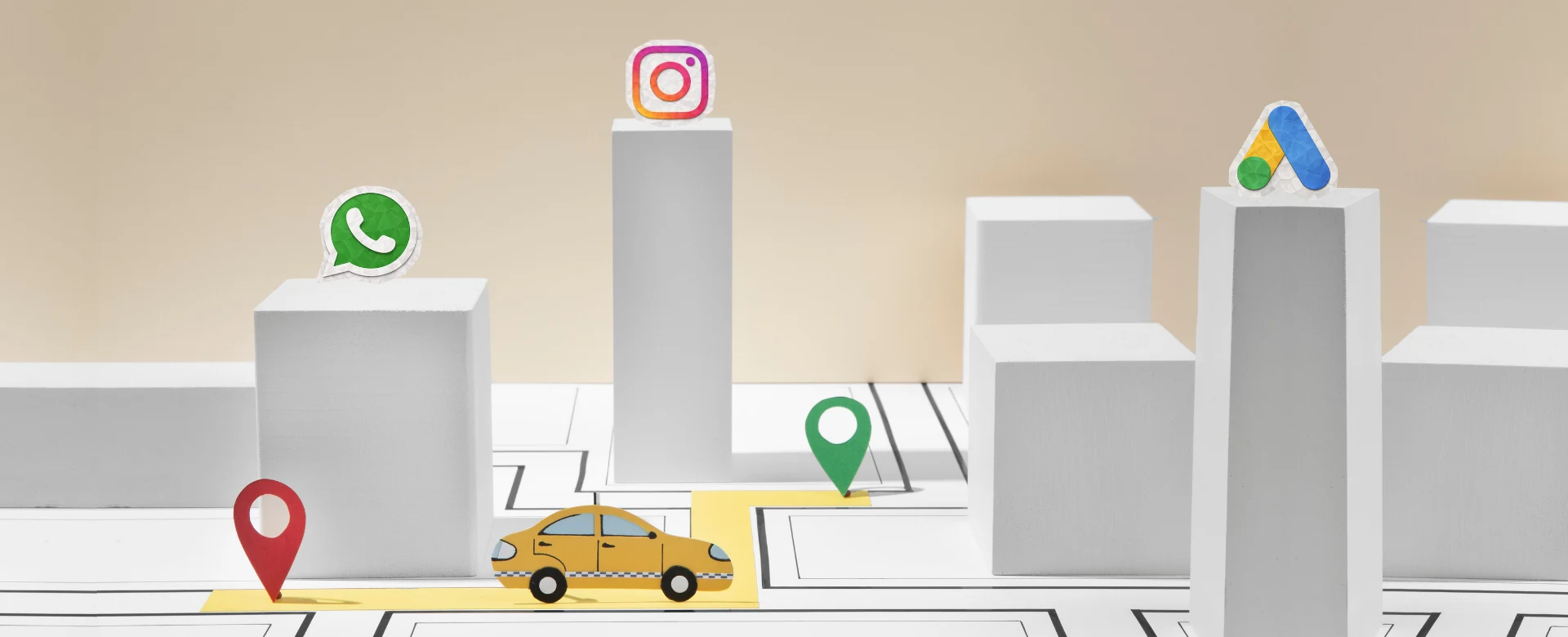
Customers in the UAE jump channels fast.
They might see your Google ad, check your Instagram, visit your website, then message you on WhatsApp. If each step feels like a different business, trust breaks.
Focus on:
- Same brand name and visuals everywhere
- Matching tone across website and social media
- Clear service descriptions without contradictions
- Timely, professional responses on messages and emails
Consistency doesn’t mean being fancy. It means being predictable in a good way.
Step 4: Use Content and Advertising to Reinforce Trust
Marketing in the UAE isn’t just about reach. It’s about reassurance.
Your ads and content should answer silent questions customers have:
- Is this business legitimate?
- Do they understand my needs?
- Have they worked with people like me?
This is where a social media marketing agency or digital marketing agency earns its keep. Not by chasing trends, but by structuring campaigns that build familiarity over time.
Simple things work well:
- Explaining your process clearly
- Showing real locations, teams, or work
- Sharing useful information instead of constant selling
Trust compounds when your brand keeps showing up in a steady, sensible way.
Step 5: Advertising Without Breaking UAE Rules
Compliance isn’t optional here. It’s part of trust.
The UAE regulates advertising across sectors, especially finance, healthcare, education, real estate, and anything involving claims or guarantees.
Common mistakes include:
- Misleading offers
- Unapproved promotions
- Offensive or culturally insensitive visuals
- Using restricted words without permission
Platforms like Google, Meta, and TikTok also apply local filters on top of global policies.
When ads get rejected or accounts restricted, customers notice the inconsistency. So do platforms. Staying compliant protects both trust and long-term visibility.
Step 6: Measuring Trust Beyond Likes and Clicks
Better trust indicators in the UAE include:
- Repeat inquiries from the same leads
- Referrals through WhatsApp or word of mouth
- Lower resistance during sales conversations
- Customers asking informed questions, not skeptical ones
If your marketing is doing its job, selling feels easier over time. Less convincing. More confirming.
When to Work With a Branding Agency or Digital Marketing Agency

You don’t need outside help on day one. But there are clear signs it’s time.
- Your business looks different across platforms
- Ads get traffic but no serious inquiries
- Messaging feels unclear or inconsistent
- You’re unsure what’s allowed to advertise
- Growth has stalled despite spend
A good branding agency helps align how your business is perceived. A capable digital marketing agency ensures that perception reaches the right audience without breaking rules or burning budget.
Conclusion: Trust Is the Strategy, Not the Outcome
What this really means is simple. In the UAE, trust isn’t something you hope to earn after marketing works. It’s the foundation that makes marketing work in the first place.
Every license detail, every ad line, every reply on WhatsApp either adds confidence or quietly takes it away. There’s no middle ground for long. Businesses that win here aren’t louder or flashier. They’re clearer. More consistent. Easier to believe.
If you focus on getting the basics right, positioning yourself honestly, staying compliant, and showing up the same way across every touchpoint, trust starts doing the heavy lifting for you. Sales feel less forced. Conversations feel warmer. Growth becomes steadier.
That’s how brands last in the UAE. Not by chasing attention, but by earning confidence one interaction at a time.
Disclaimer: UAE advertising regulations and platform policies change regularly. Businesses should verify current rules, approvals, and requirements with relevant authorities and advertising platforms before launching any campaign.
Sources
- UAE Ministry of Economy
https://www.moec.gov.ae - UAE National Media Council (Advertising Regulations)
https://www.nmc.gov.ae - Telecommunications and Digital Government Regulatory Authority (TDRA)
https://tdra.gov.ae - Google Ads Policies
https://support.google.com/adspolicy - Meta Advertising Standards
https://www.facebook.com/policies/ads - TikTok Advertising Policies
https://ads.tiktok.com/help/article/tiktok-advertising-policies
FAQ
1. Is digital advertising expensive in the UAE for small businesses?
It can be, if done without structure. Costs vary by industry and platform. What usually makes it expensive is poor targeting, unclear messaging, and repeated ad rejections. With the right setup, small budgets can still perform steadily.
2. How long does it take to see results from a campaign in the UAE?
Initial signals often appear within weeks, but real trust-driven results take time. In many cases, consistent visibility over two to three months produces stronger inquiries and repeat interest.
3. Which platform works best in the UAE: Google Ads or Facebook Ads?
It depends on intent. Google Ads capture active demand. Meta platforms help build awareness and familiarity. Most UAE businesses benefit from a mix, structured around their audience behavior.
4. How do I target the right audience in the UAE?
Location, language, interests, and behavior matter. Expats and locals respond differently. Platform tools allow detailed targeting, but messaging must also align with cultural expectations.
5. What types of ads are restricted in the UAE?
Ads involving financial claims, health outcomes, exaggerated guarantees, or sensitive topics face restrictions. Some sectors require prior approvals. Always check current guidelines before launching.